
Canadian citizens have an unconditional right to enter and return to Canada following travel abroad. Permanent residents also have the right to return to Canada, subject to compliance with statutory obligations, including residency requirements and the absence of inadmissibility such as criminality.
Foreign nationals, however, are subject to additional entry requirements. If you hold a valid visitor visa, electronic travel authorization (eTA), study permit, or work permit which you obtained prior to arrival, you will generally be allowed to enter Canada. However, admission is always discretionary. If an immigration officer determines that you are inadmissible, the officer may prepare a report under section 44 of the Immigration and Refugee Protection Act (“IRPA”), which can initiate removal proceedings.
If a foreign national disputes a finding of inadmissibility, they may be detained and referred to the Immigration Division, where an adjudicator will assess whether the individual is legally admissible to Canada. Individuals who intend to seek refugee protection must advise the officer of their intention before a removal order is issued. Once a removal order has been made, a refugee claim is no longer available. In many cases, a person who receives a removal order at the port of entry may be permitted to leave Canada voluntarily.
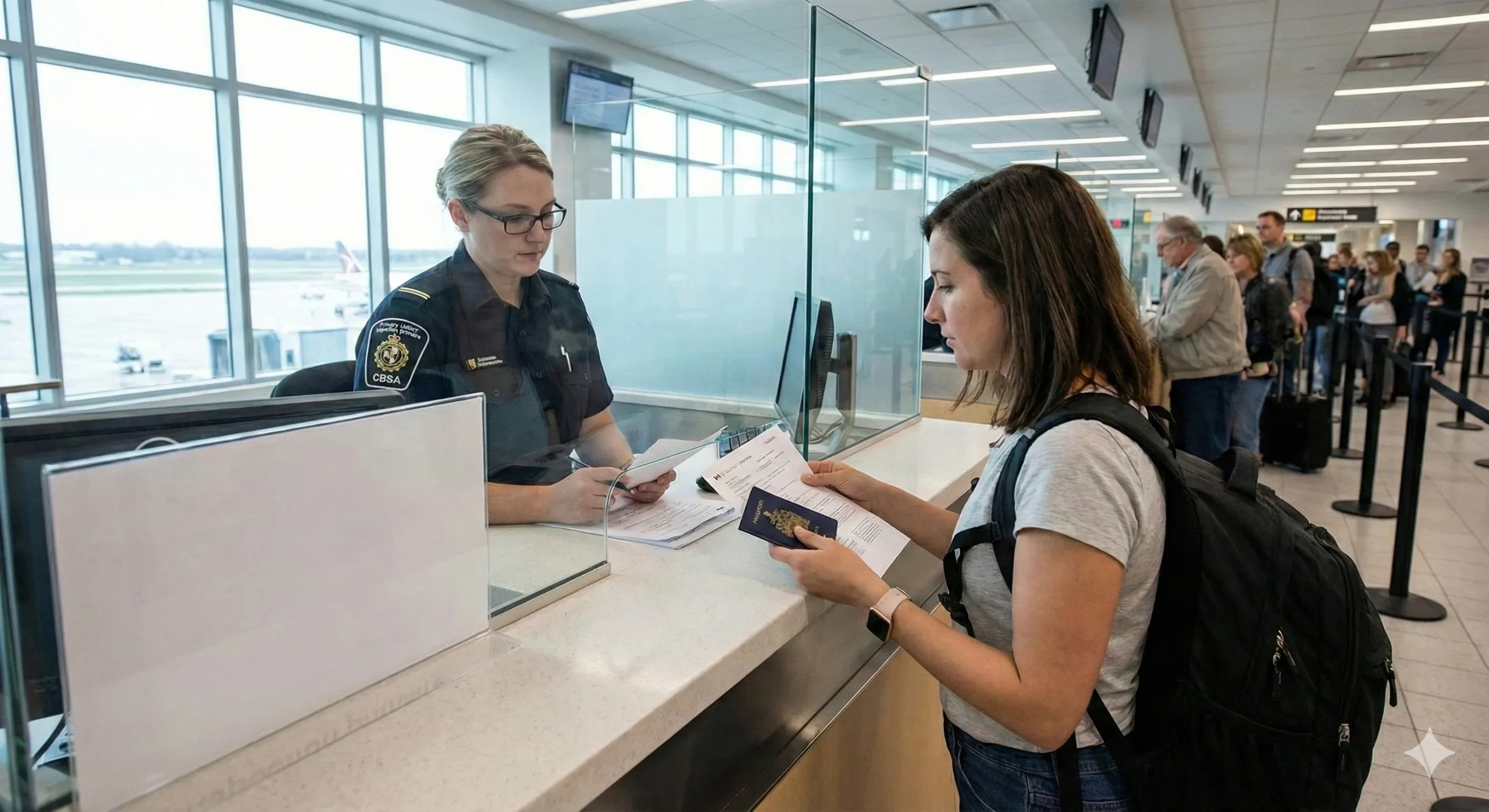
The burden of proof in inadmissibility proceedings depends on the circumstances. When a person seeks entry to Canada, whether as a permanent resident or a foreign national, the burden of proof rests with the individual. Conversely, if a person is already inside Canada and is alleged to be inadmissible, this burden lies with the immigration authorities.
This distinction is critical. Where the burden rests with the government, counsel can review the evidence relied upon by the authorities and assess the strength of the case. Where the burden rests with the individual, such as a foreign national examined at a port of entry, counsel must rely on the person’s documentation, statements, and supporting evidence to demonstrate a valid legal basis for entry to Canada.